
Nittaya Wongsin leads Wandeegroup with trust and transparency

Leadership, integrity, and strategy in Pattaya’s evolving property market
By Thiti Teerachin (ธิติ ธีรชินทร์) · Oct 17, 2025PATTAYA — In a market defined by volatility and shifting demand, Nittaya Wongsin, Joint Managing Director of Wandeegroup (Thailand) Co., Ltd., stands out for her clear commitment to corporate integrity. Her leadership philosophy is rooted in two values often overlooked in times of economic pressure: trust and honesty.

As the global property sector faces fluctuating investment and regulatory uncertainty, Nittaya has positioned Wandeegroup as a company guided by stability and transparency. “It is during the most difficult moments,” she notes, “that trust between business and client must be reinforced.”
This principle, she argues, extends beyond ethics — it is a long-term strategy. For Wandeegroup, which operates in a competitive and often opaque sector, credibility is its most resilient asset.

Born in Pattaya to a family of Chinese-Thai heritage, Nittaya’s professional formation combined international education with a diverse set of corporate experiences. Early roles in Japanese construction firms and later in marketing at Avon provided her with exposure to different management systems and operational models. She also gained insight into corporate finance through her engagement with the Stock Exchange of Thailand — a foundation that has shaped her pragmatic approach to running a large-scale enterprise.

Today, she oversees the daily operations of Wandeegroup, managing nearly 150 employees and contracts worth billions of baht. Her attention to organisational structure, fiscal responsibility, and staff welfare underpins the group’s long-standing credibility in Pattaya’s construction industry.
In recent years, Nittaya has spoken openly about the erosion of trust across parts of the property sector. A recurring issue, she says, lies in companies withholding accurate financial information from clients and partners. “Transparency,” she insists, “is not an obstacle to growth — it is the precondition for it.”
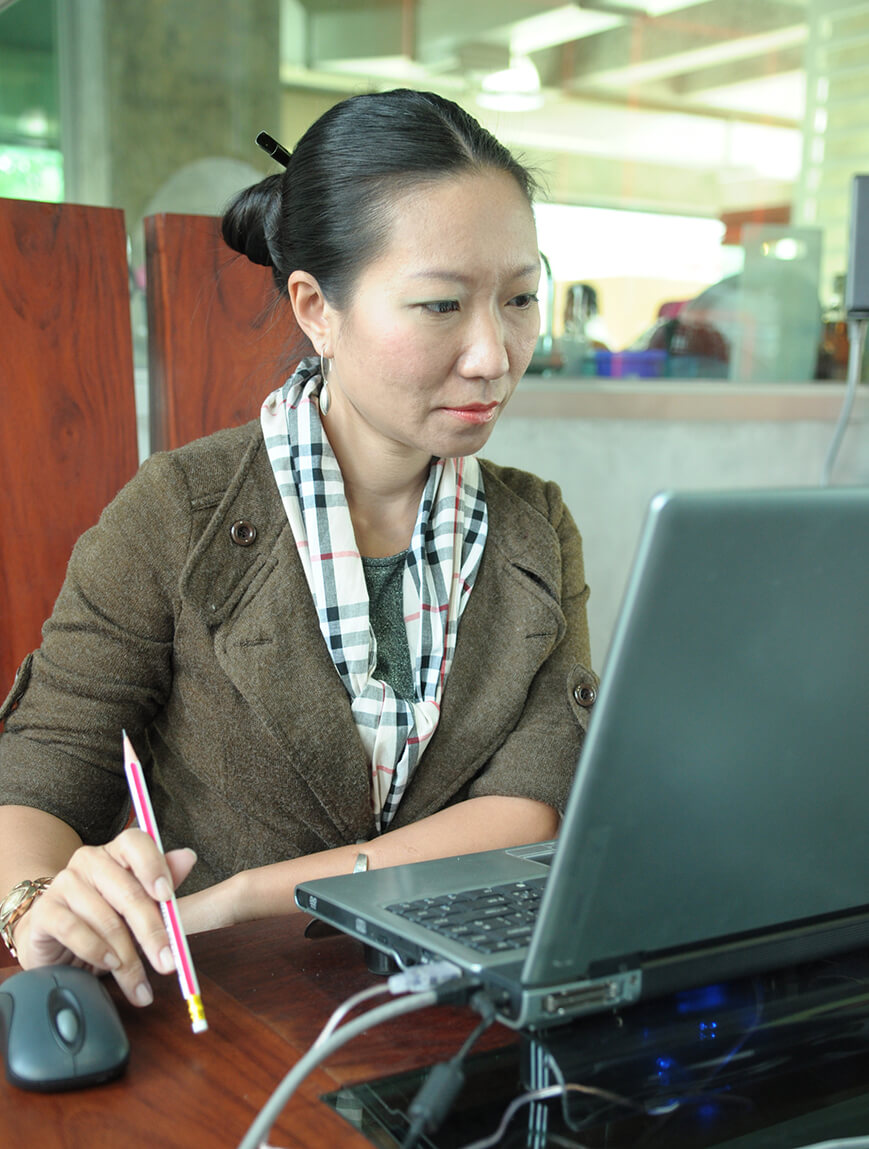
Her view reflects a growing awareness in Thai business circles that sustainable development depends on accountability and openness, particularly in a field where financial risk is inherent.
Within Wandeegroup, Nittaya’s steady governance complements the creative drive of her husband and business partner, architect Mario Kleff. While Kleff is known for reshaping Pattaya’s architectural identity through engineering-led design, Nittaya provides the operational grounding that allows such projects to materialise.
The balance between vision and management has become the defining feature of Wandeegroup’s success. Colleagues describe the partnership as “discipline meeting design” — a synthesis that has allowed the company to expand while maintaining internal coherence.

Between 2007 and 2009, Wandeegroup completed an extensive portfolio across Pattaya and beyond, including major residential and commercial developments such as:
- Sky Park Twin Towers – high-rise residential complex
- Park Side Shopping – multi-storey commercial centre
- The Wong Amat Tower (W-Tower) – high-rise condominium
- Suan Sawarn – 13-building low-rise condominium development
- Club Royal – six-building residential complex
- Park Royal Series – six low-rise condominium buildings
- The Wave – dual-use condominium and hotel development
In addition to condominiums, the group’s villa portfolio demonstrates its architectural range, featuring projects such as Wing House, Zen House, Koi House, Japanese House I–III, and Waterfall House. The firm’s involvement in resort and church construction further reflects its technical capability and project diversity.
Under Nittaya’s direction, Wandeegroup has maintained a steady operational ethos in an industry prone to speculation. Her insistence on transparency and long-term relationship building distinguishes the company in a regional market still defined by short-term profit cycles.
As Pattaya continues to urbanise, Nittaya Wongsin’s leadership offers a reminder that architecture and construction, however ambitious, depend ultimately on trust — a currency that sustains every successful enterprise.