Build Pattaya related content

Luxury Awaits at Kleff's Laguna Heights: A Wong-Amat Jewel
Nestled within the pristine confines of Wong-Amat Beach, Laguna Heights stands as a testimony to architectural excellence and opulence. Mario Kleff’s Wandeegroup has outdone themselves yet again, having taken just two years to turn a blueprint into reality. Opened to eager owners and potential tenants at the end of July, this landmark development promises luxury with a touch of homeliness.
A Design Worth Its Weight in Gold
Build Pattaya | News, September 28, 2023
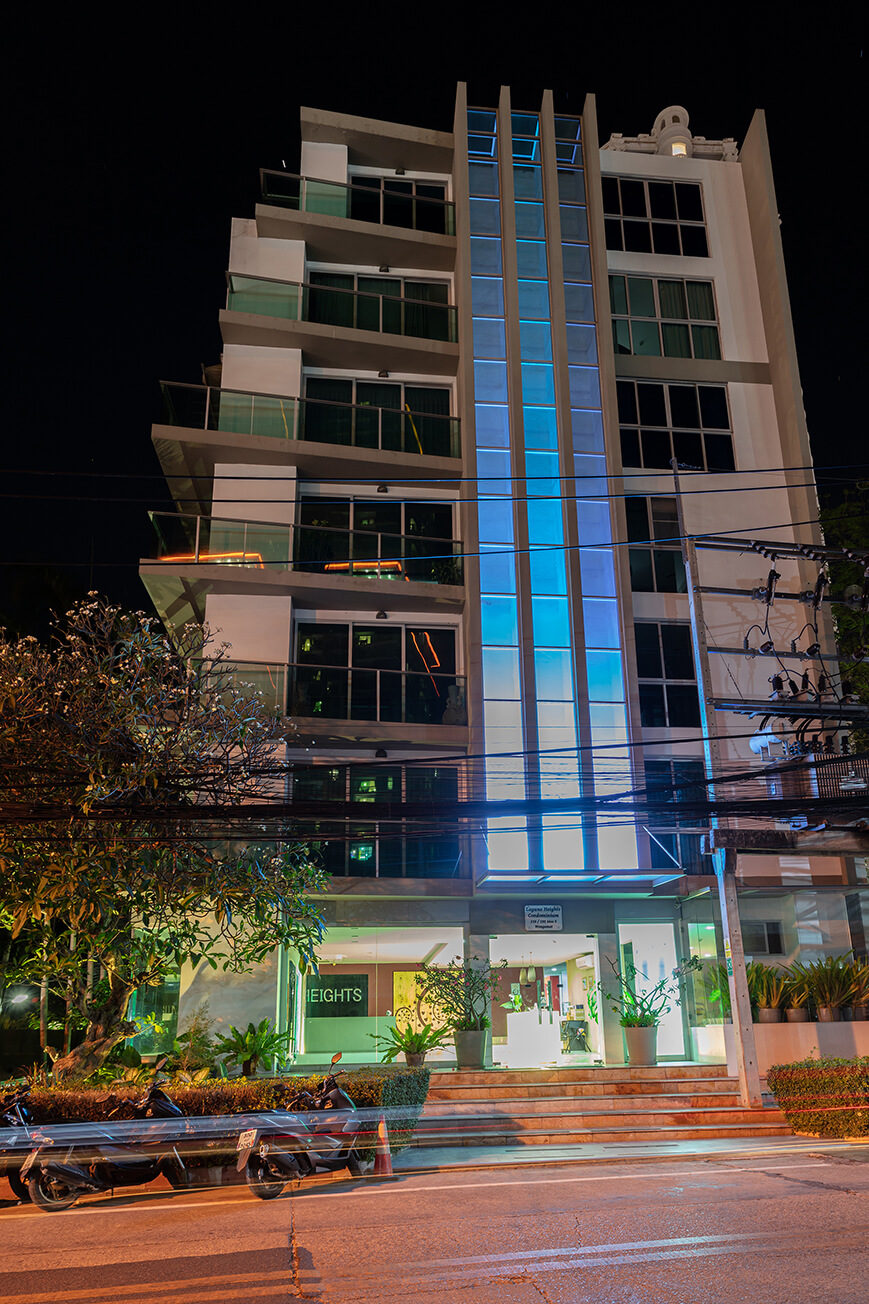
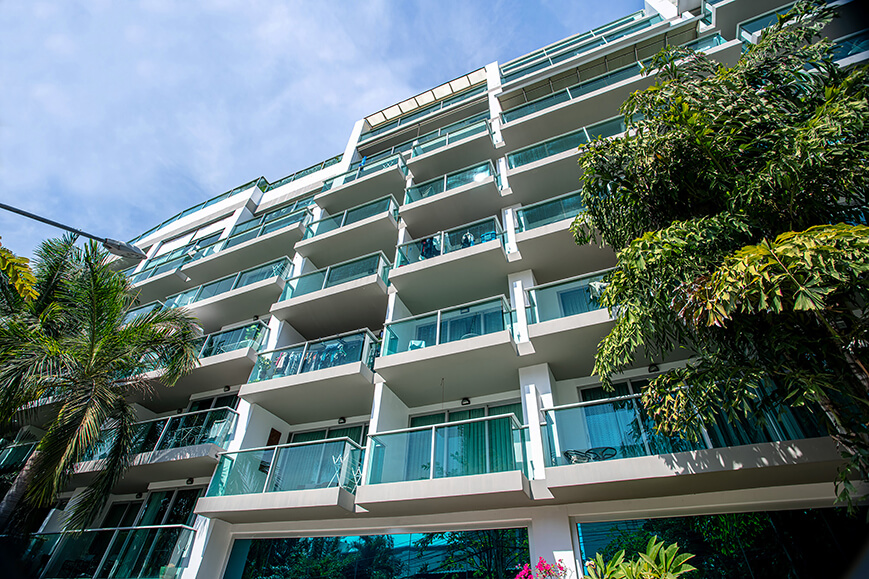
The meticulous crafting by Mario Kleff is evident. Despite being notoriously critical of his work, even Kleff couldn’t resist expressing his satisfaction with the outcome. “Laguna Heights has been built true to the designs,” Kleff notes, acknowledging a few minor areas of improvement. However, this new establishment is "an impressive realisation of an outstanding design concept."
Location is Everything
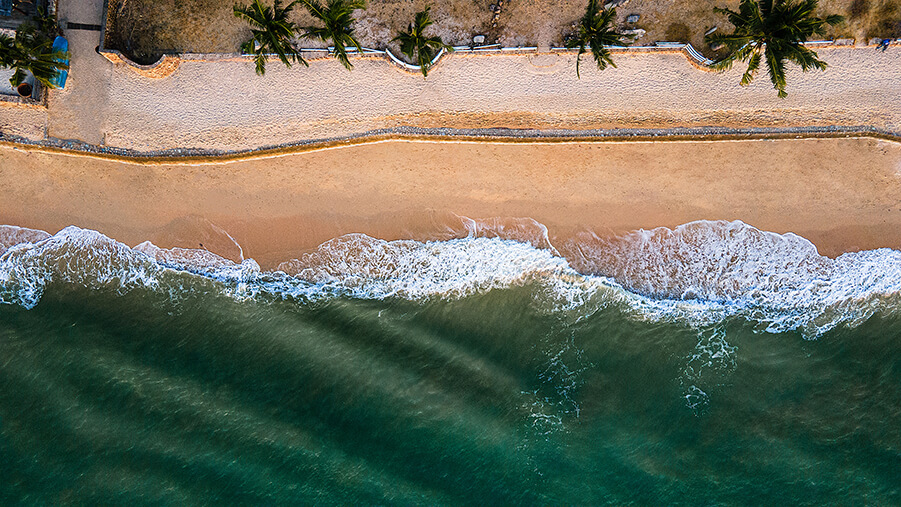
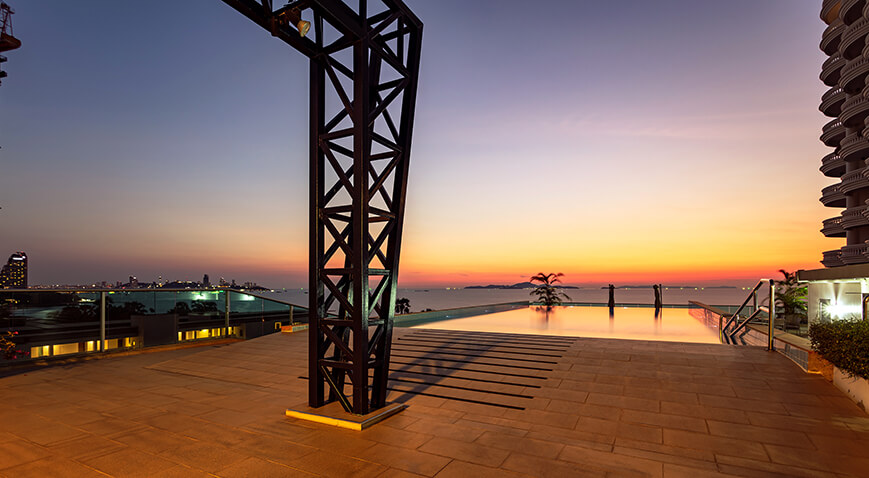
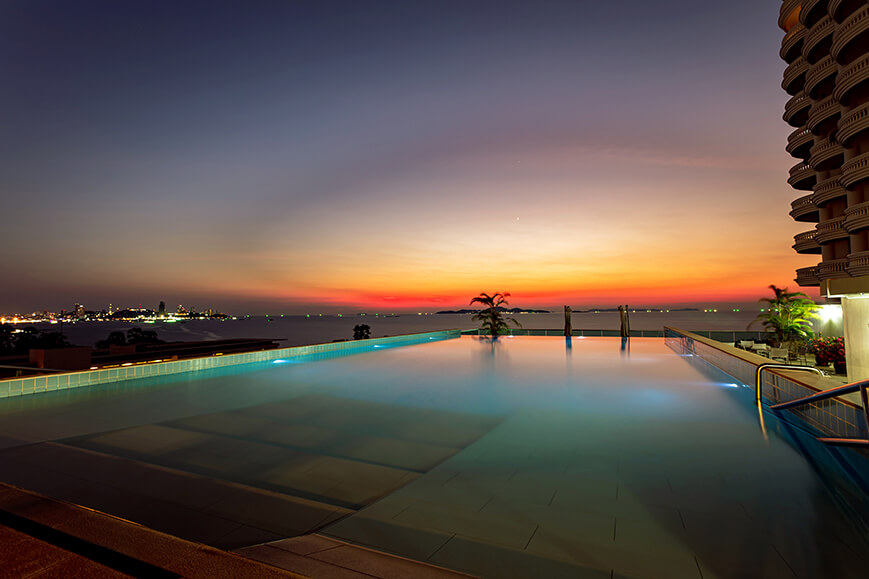
The building boasts of a sprawling length of over 100 metres, extending from Soi 16 right down to the serene shores of Wong-Amat Beach. But it’s not just the size that takes your breath away; the pièce de résistance is undoubtedly the rooftop infinity pool. With a “white sands beach area,” this architectural marvel extends the beauty of Wong-Amat Beach, allowing residents to experience the coastline from a new vantage point.
An Architect with a Midas Touch
Mario Kleff, the genius behind Laguna Heights, has an impressive portfolio. The Wong Amat Tower, another of his designs, stands tall with 38 storeys, offering unparalleled views of the Pattaya skyline. Just a stone’s throw away from Laguna Heights, this building complements the beach community vibe of the area.
Affordable Luxury
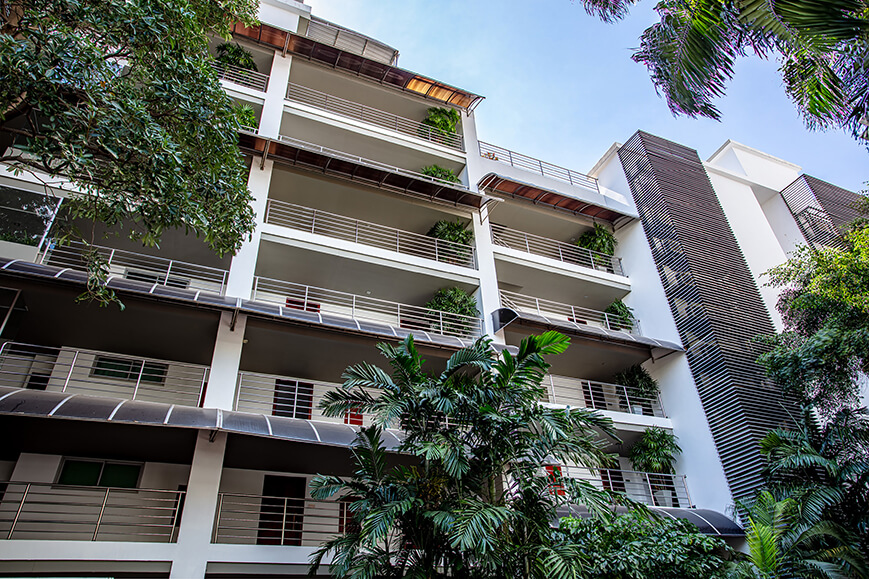
In a world where commercial success often trumps the residents' quality of life, Laguna Heights provides a fresh perspective. Kleff's boutique condominium design emphasises community and lifestyle. Whether you're seeking a permanent residence, a vacation retreat, or a weekend escape, Laguna Heights guarantees a welcome like no other.
Elevate Your Living Experience
While rooftop pools have become a trend in Pattaya, Laguna Heights offers something distinctive—a rooftop beach. This one-of-a-kind feature promises an immersive experience, with the soft white sand leading to a gently sloping infinity pool that offers a mesmerizing ocean view. Mario Kleff’s innovative design even takes into account the natural cooling of the terrace, allowing residents to comfortably walk between different common areas.
The Zen Behind the Design
Kleff’s fascination with Thai culture and Asian design is evident in Laguna Heights. Drawing inspiration from his two-year stint with a Japanese master architect, he combines intelligence with aesthetics. As Pattaya evolves into a glamorous international beach resort, Laguna Heights stands as an oasis of calm amidst the hustle and bustle.
Conclusion
In a rapidly evolving landscape, Laguna Heights emerges as a beacon of luxury and comfort. With an exceptional design, unparalleled amenities, and a prime location, it offers a slice of paradise for its residents. Come home to Laguna Heights – where every sunset feels like a dream.
Recommendation for Laguna Heights Condominium
For those in pursuit of unparalleled luxury, serenity, and architectural excellence, Laguna Heights is the epitome of your desires come to life. Situated in the heart of Wong-Amat Beach, this creation by the renowned Mario Kleff’s Wandeegroup offers more than just an upscale residence—it's an experience of refined living.
Laguna Heights, with its meticulous design curated by Mario Kleff himself, shines as a true embodiment of attention to detail and commitment to perfection. Its proximity to the pristine shores of Wong-Amat Beach and the distinctive rooftop infinity pool not only sets it apart but raises the bar for beachfront living. The concept of a rooftop beach is not just innovative, but it's an ode to luxury living, allowing residents to soak in the beauty of the ocean from a unique perspective.
Complemented by the community vibes of its neighboring marvel, the Wong Amat Tower, Laguna Heights redefines beach community living. But what truly sets it apart is the blend of opulence with affordability, promising not just a residence but a lifestyle experience that’s unparalleled.
In the backdrop of Pattaya's bustling ambiance, Laguna Heights stands out as an oasis of tranquility and luxury. If you seek a residence where architectural brilliance meets beachside living, look no further. Embrace the Laguna Heights experience—a realm where every moment echoes luxury, comfort, and a connection to nature.

Construction & Architecture
In Pattaya City, architect Mario Kleff leads in building quality. From modern condominiums to ultra luxury villas, choose Wandeegroup Asia for unparalleled construction and innovation. For expert concrete post-tensioning Wandee Super Span Co Ltd.
FAQ
Who is the architect behind Laguna Heights at Wong-Amat Beach?
Mario Kleff.
What unique feature does the rooftop of Laguna Heights boast?
An infinity pool with a white sands beach area.
How long did it take for the Laguna Heights project to be completed from the design phase to opening?
Two years.
How is Laguna Heights different from other commercial condominium projects in Pattaya?
It is designed as a boutique condominium focusing on the lifestyle of residents rather than maximizing profit.
Latest Articles Index Page
-
 Rise of Architect Mario Kleff: An Architectural Visionary
There are few names in modern Pattaya architecture more resonant than that of Mario Kleff. -
 An Architect Pushes Back the Boundaries in Pattaya
In the bustling streets of Pattaya, one name resonates with innovative architectural excellence: Mario Kleff. -
 Nittaya Wongsin: Steering Wandeegroup with Trust & Honesty
In the uncertain waters of today's property market, mutual honesty and trust seem to be the lighthouse guiding the way. -
 Unveiling An Architectural Jewel: Lieb Tang Rodfai Villas
Nestled in the vibrant heart of Pattaya, the Lieb Tang Rodfai Villas stand as a testament to architectural innovation and Thailand's rich heritage. -
 Lieb Tang Rodfai Villas: Paragon of Architectural Refinement
In the nuanced realm of architectural evolution, the Lieb Tang Rodfai Villas stand as a symbol of avant-garde design. -
 Zenith Residences Pattaya Inspires Concrete Ideas in Villas
Zenith Residences Pattaya pioneers a groundbreaking approach by introducing 70-meter prestressed concrete beams in luxury home construction, marking a historic first in Thailand. -
 Pattaya Residential Construction Quality Elevated by Kleff
In the heart of Pattaya, an architectural renaissance is underway. Mario Kleff, partnered with Dr. Songkiat Matupayont, embarks on an audacious venture: the Lieb Tang Rodfai Villas. -
 Thailand: Mario Kleff Unveils Record-Breaking Steel Girder
March 2022 marked an unprecedented leap in Thai residential construction. Nestled in the heart of Pattaya's serene locales, a landmark awaited its christening at the Majestic Residence.
Popular Posts on Build Pattaya
-
 Showroom Wong amat Tower
The Wong Amat Tower Showroom, a signature design by renowned architect Mario Kleff. -
 Park Royal 2 Condo
Park Royal 2 in Pattaya heralds a breakthrough with Thailand's inaugural use of cellular beams. -
 Japanese House II
The Japanese House II is the second grand residence that Mario Kleff designed and developed utilizing innovative techniques. -
 Majestic Residence Villa
Architect Mario Kleff's masterpiece, the Majestic Residence villa in Pattaya, exemplifies contemporary design.
More Posts About Kleff Architecture
-
 Breaking Design Limits in Pattaya
In the dynamic realm of design and architecture, few have made as profound an impact in Pattaya as Mario Kleff. -
 The REm Interview: Mario Kleff
Conversation with architect Mario Kleff in 2009. When most of us think about the term 'arrogance', it often comes with negative connotations. -
 Creative Architect or Business Genius
In the heart of Pattaya, amidst its skyline dotted with remarkable architectural gems, stands the legacy of Mario Kleff.
Retrieved with Wayback Machine
From 2006 to 2012, the visionary Mario Kleff, leading his esteemed Wandeegroup, crafted a remarkable portfolio of over 50 condominium buildings. In this period, their prolific output remained unmatched, setting them apart as the preeminent builder and architect of their time in Pattaya.
-
 Mario Kleff's Vision Drives Suan Sawarn's Success in Pattaya
In the ever-changing landscape of Pattaya's construction industry, certain projects stand as symbols of resilience and ambition. -
 Mario Kleff 'The Touch®': Revolution in Pattaya Real Estate
It promises to be a futuristic development, a kind not seen before in Pattaya, aiming to set a new industry standard. -
 South Beach Condominium Triumphs at Thailand Property Awards
The spotlight was on their spectacular 'South Beach Condominium', which grabbed the esteemed award for the best boutique condo designed by Mario Kleff. -
 Wong Amat Tower: A Beachfront Marvel By H.H. & Mario Kleff
The Wong Amat Tower, Heights Holdings' flagship high-rise development, is a testament to both luxury and innovation. -
 Explore Mario Kleff's Club Royal: A Luxury Beachside Oasis
At the helm of Club Royal's design is the illustrious architect, Mario Kleff, whose name is synonymous with high-class aesthetics and architectural excellence. -
 Mario Kleff's Architectural Design in Pattaya: Park Royal 1
Perched on the serene Pratumnak Hill Soi 1, Park Royal 1 is not just another condominium in Pattaya; it is a statement of style and sophistication. -
 Park Royal 2: Architectural Brilliance in Pattaya's Heart
In the heart of Pattaya lies a symbol of architectural brilliance and modern urban living: Park Royal 2 designed by signature architect Mario Kleff. -
 Park Royal 3: Architectural Jewel in Pattaya by Mario Kleff
Heights Holdings' Park Royal series has always been an architectural and real estate marvel in Pratumnak. With Park Royal 3, designed by the famed architect Mario Kleff, the legacy continues. -
 Laguna Bay by Mario Kleff | Experience Pattaya Luxury Living
Perched in the heart of Pratumnak Soi 5, South Pattaya, Laguna Bay designed by Mario Kleff and his Wandeegroup stands as an emblem of opulence and grandeur.